What are we doing?
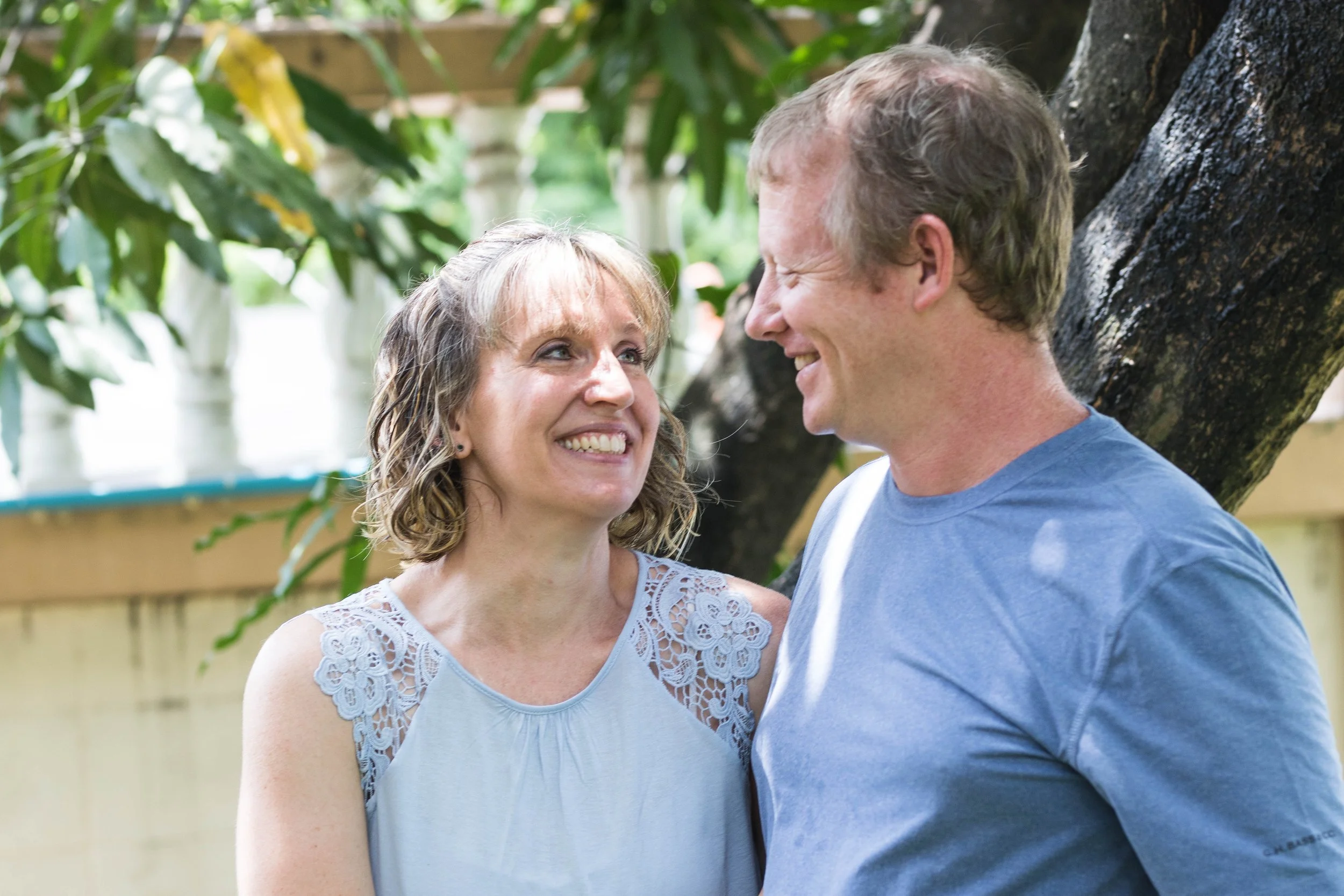
We have had several people ask what it is we will be doing in our new ministry and how it is different from other sports ministries that already exist. Of course, we are not aware of all the sports ministries currently in existence, so we cannot say that what we are doing is completely different. However, from what we do know, our focus is different. Our main goal is to equip nationals to reach their own people.
What We Are *Not* Doing
We are not focused on the athletes themselves.
Indirectly, our focus does include them, because the goal is to equip nationals to reach athletes and those interested in athletics in their own countries. However, our primary aim is to train the leaders of these ministries.We are not focused on taking teams on short-term missions as an avenue of service or exposure to missions.
We will use teams to accomplish specific goals, but the focus will always be, “This is what the nationals need and are asking for.”
What We *Are* Doing
Working with nationals.
While at times we may work alongside missionaries who have started ministries, our focus is primarily on people within their own countries who reach out to us for training. We believe George’s years of coaching and teaching sports have been preparing him for this new use of his skills. George went on a survey trip in July and worked with a group of young people who desire to run a sports academy in a closed country. Click here if you would like to hear more about that.Connecting churches and colleges with these ministries.
We hope to see lasting connections take root. Our vision is for communities in the US to partner with these ministries, building relationships that include ongoing support through prayer, discipleship, and accountability. Once a strong partnership is established, we will step back and focus on fostering similar relationships in new locations. We pray that our many connections both overseas and stateside with universities and former coworkers will open doors for these connections.Incorporating counseling and trauma care.
While sports will often be the starting point, Stacy will be finishing her counseling degree and hopes to incorporate that into these trips as well. Many of the areas we will visit are places where trauma is a way of life. She hopes to train people within these ministries to use trauma-informed care as a way to help open doors to the healing the Great Counselor offers.She also hopes to work with missionaries in these areas, offering debriefing and counseling that may not be available where they live. The goal is to help families maintain healthy relationships and remain on the field. We know too many who have had to leave because of unmet mental health needs.
Eventually, she would like to take teams of counselors to provide training around the world while also serving as a coordinator for mental health for her Live Global team.
Why are we doing it this way?
From our 20 years of experience, from rubbing shoulders with other missionaries while here, and from what we have learned from missionaries since George’s childhood in Bangladesh, we have seen that foreigners cannot reach people in the same way a national can. There are many barriers for a foreigner trying to reach people cross-culturally:
Language barriers:
Even if a missionary becomes “fluent” in the language, there are cultural nuances that take many, many years—if ever—to fully anticipate, understand, and work through.Cultural barriers:
Even if a missionary lives like a local, speaks the language, and participates in everyday activities, they will never truly be seen as one of the locals—especially if the culture is built around a religion they do not share.For instance, I know of a family living in Thailand who spoke Thai fluently, adopted a Thai child, and tried to hire a nanny to help care for the child. This was not their first child, but because the child was Thai, the nanny would sometimes overrule the parents’ requests on certain issues—such as what to feed the child—because from the nanny’s perspective they did not know how to raise a Thai child. Therefore, she believed she knew better.
In a similar way, it is easy for people to dismiss Christianity or simply add it to the other gods they pray to, because they assume we just do not understand their culture or beliefs. However, when a fellow Thai person—who understands the nuances of the culture, language, religion, and the family and community complications involved with accepting Christianity—shares the gospel, it is not as easily dismissed as something meant for others, but not for them and their people.
Closed countries:
Many countries are making it increasingly difficult, if not impossible, for foreigners to remain long term. Teaching and equipping nationals to reach their own people helps mitigate the need for foreigners to stay long term.
Chat with me
Still confused or have more questions? Contact us to book a chat, in person or online.
Help Us Grow
We are working to create partners to support our ministry. If you know of others who might be interested in what we are doing, please share our website, and if they are willing, share their contact information with us so we can connect with them.